






Scuba Diving in La Graciosa
Discover the underwater wonders of La Graciosa by going diving
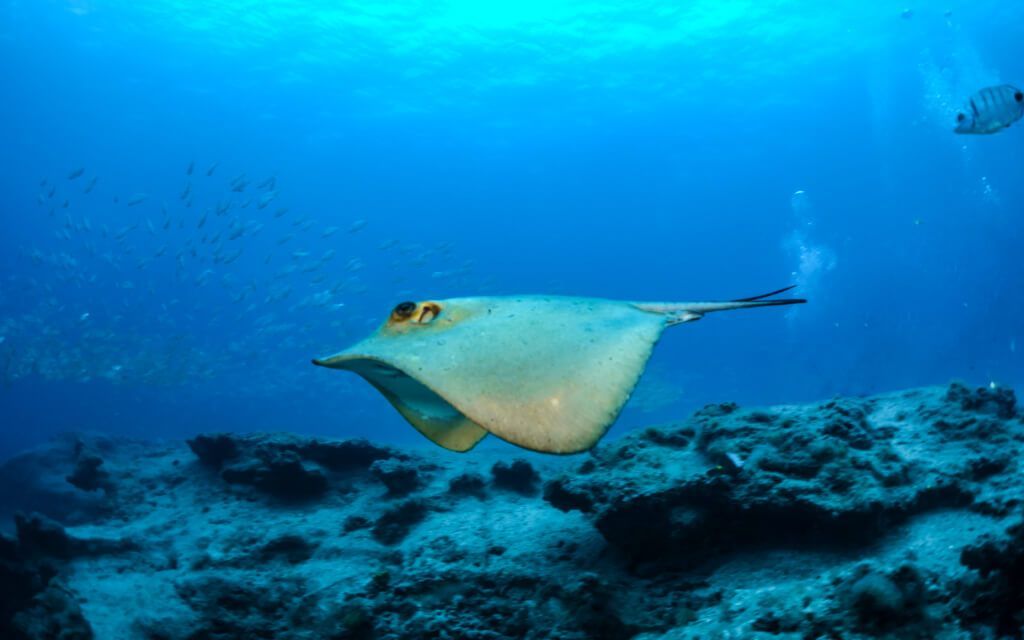
Diving in La Graciosa is a must and cannot be missed off the schedule of those visiting Lanzarote and those who are lovers of the sea and its hidden depths.
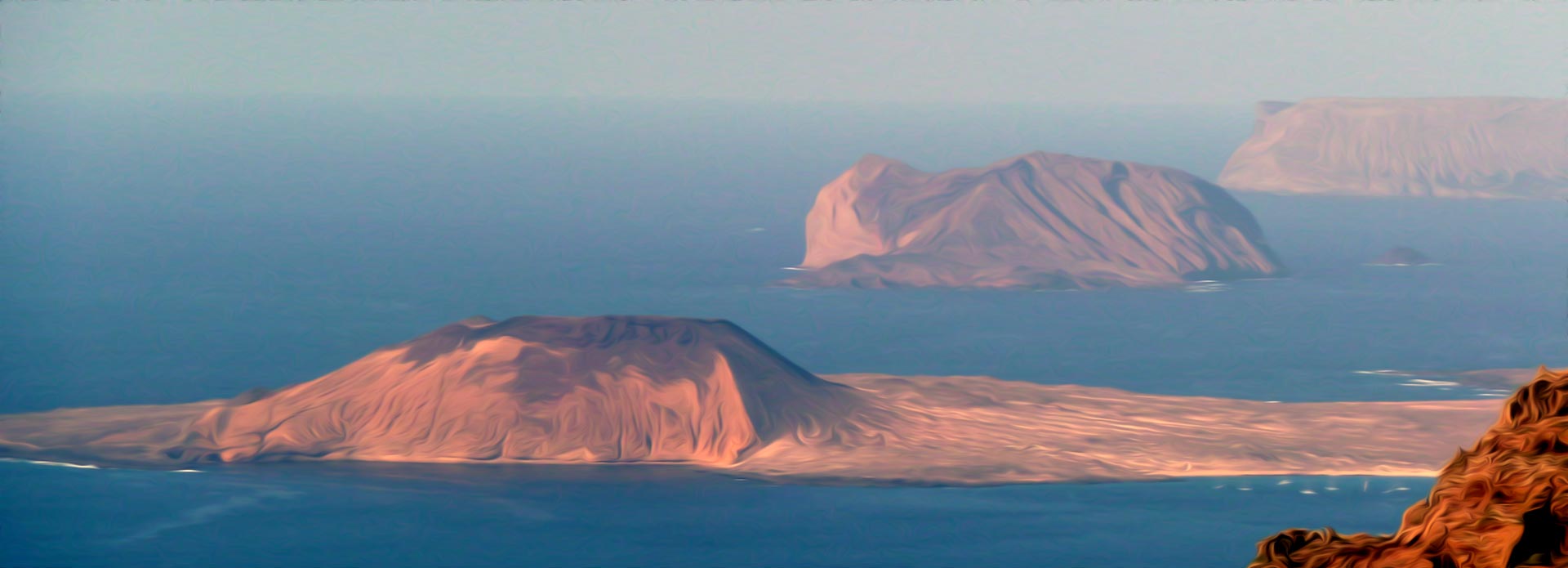
There are 70,000 hectares in the Chinijo archipelago that represent the largest marine reserve in Europe. This is the reserve of La Graciosa and the Islets of the North of Lanzarote and has the greatest marine diversity of all of the Canary Islands.
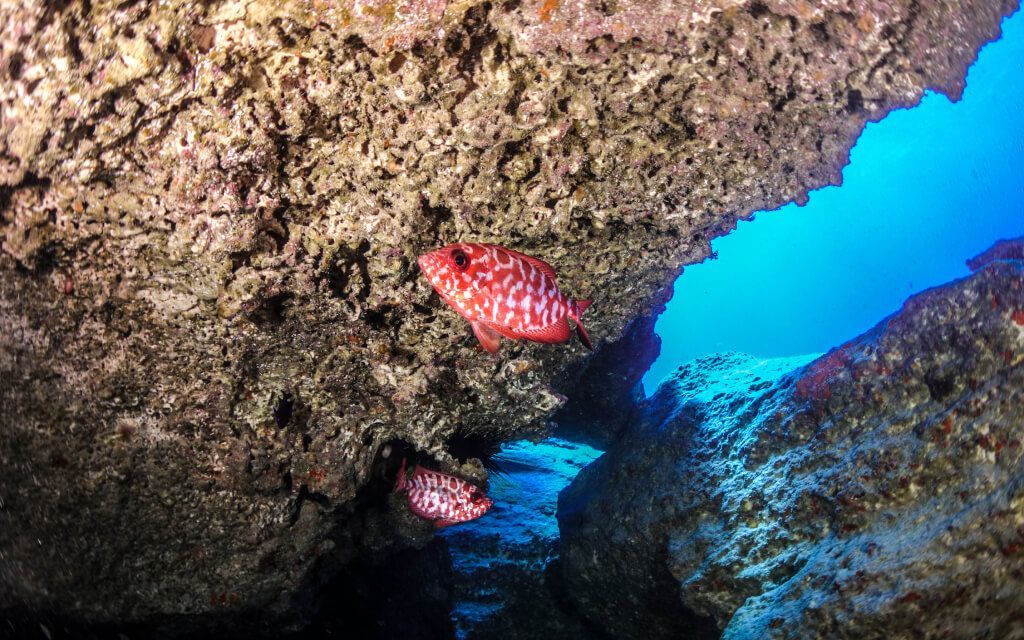
Its rough sea-beds with plenty of caves and tunnels, typical of volcanic islands; the saltyness of its waters, the consistency of its temperature – 18.2°C minimum, 21.2°C maximum, make these waters ideal for the diversity that exists of plant life as much as marine life, with up to 774 recognized species.
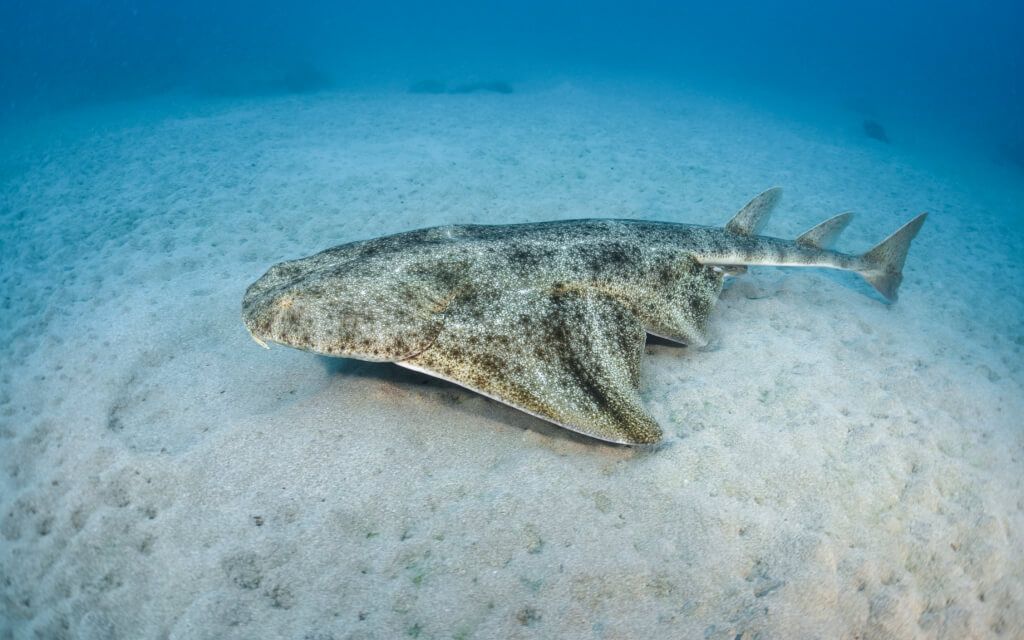
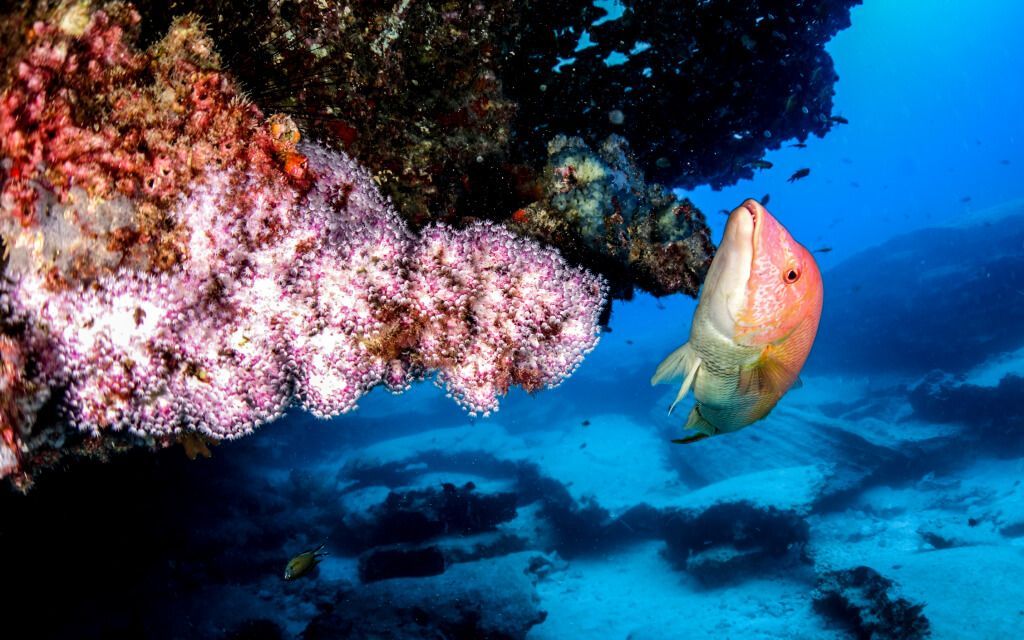
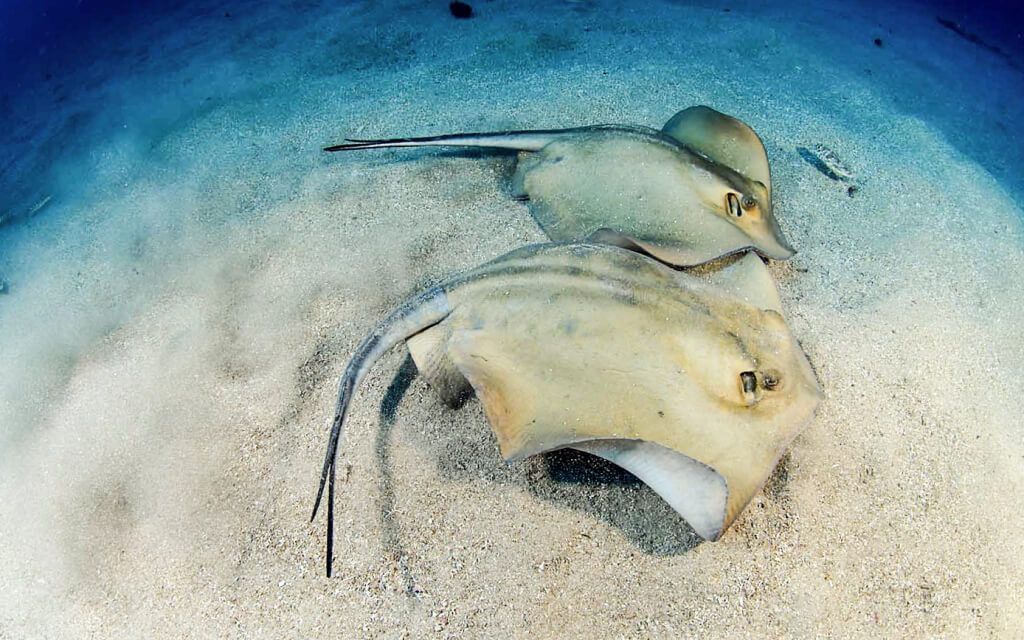
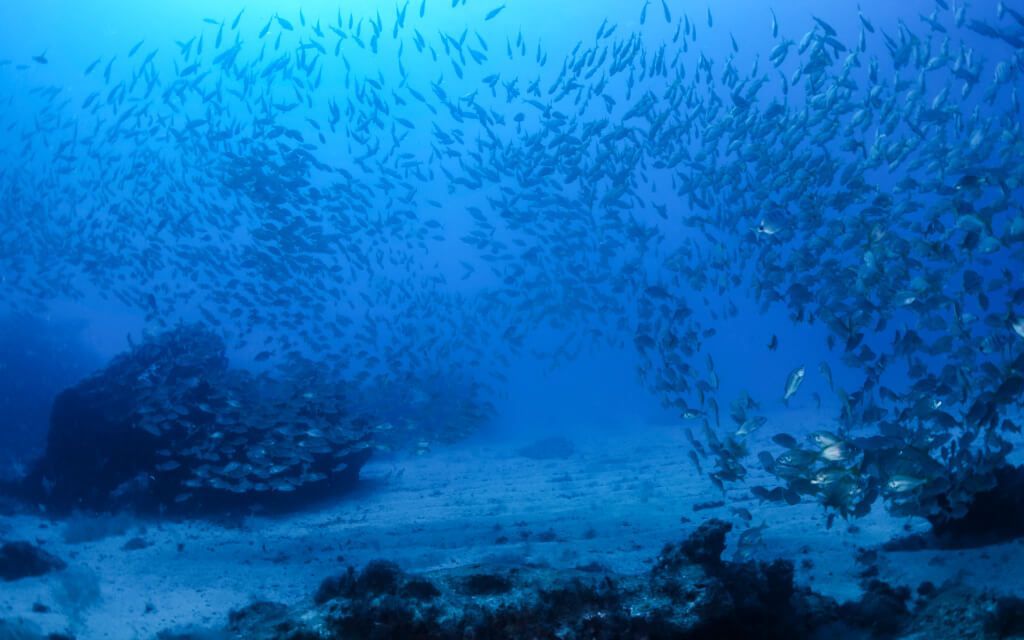
In these waters we have the privilege of being able to dive between schools of grunts, or with species such as the Angel Shark, ‘burrito listado’, medregals, mackerel, pollacks, black moray eels or Canarian lobster. These are just of few of the species you can see when you dive.
Do not miss the opportunity to discover their sea beds
Learn to Scuba Dive
Learning to dive or continuing to specialize in it is a wonderful adventure, and even more so when done in these waters of infinite visibility: on the island of Lanzarote there are diving centres that perform dives, but in the very port of Caleta de Sebo you will find a diving centre specializing in this area, with excellent qualified staff, and with the infrastructure, equipment and teams needed for PADI authorized courses and dives.
For those unfamiliar with the world of diving, the word PADI might mean nothing but it corresponds to the acronym Professional Association of Diving Instructors, which in Spanish means Professional Association of SCUBA Instructors. It is also the main diving school in the world and the name that identifies the level of a diver.
The levels range from learner, scuba diver or open water diver, to the most advanced master scuba diver and within the levels there are many specialized courses, for those who want to become instructors and for those who want to dive as a recreation.
There are courses and dives for all levels, and all are done within the marine reserve. The marine reserve covers areas such as Las Grardias, Islote de Alegranza, La Burrera, el Veril de Las Langostas, or el Veril de Las Anclas amongst others.
Paradise in La Graciosa not only exists on the land but also on its sea bed.
WHERE TO DIVE IN LA GRACIOSA
The Gerardias
The Anchor Pier
The cañas
The Roquete
The Dedos
Cueva De Los Jureles
Jureles 2 (II)
Los roncadores
The acuario
Lava tunnel
Cueva Del Legionario
The anfiteatro
The burrera
The Gerardias
It is a place that no diver should miss, between 27 and 40 metres deep there is a seabed that you are not used to due to the rarity of the species found here and where you will find the highest concentration of Gerardia savaglia in the world.
The Anchor Pier
Its name is due to the anchors in the depths of this area of the ships that were attacked by pirates many years ago and that can be seen during the dive.
It is located between the island of Lanzarote and La Graciosa. On a sandy plain rises a thick bar of rock that stretches for almost a kilometre in length. The depth over the reef is 15 metres, reaching up to 20 metres on the sandy bottom.
Stingrays, abbots and old sea breams are some of the species that can be seen during the dive in these waters.
The Cañas
A paradise hidden among rocks and sand.
Formed by a sequence of caves and rock formations on the sand. It has several openings that allow sunlight to pass through, thus creating a play of backlighting.
Species: Anemones // Gueldes // Corvinas // Roncadores // Lady scarlet // Gallos Morunos. Difficulty: Low-Medium Minimum depth: 6 metres Maximum depth: 16 metres Access: By boat.
The Roquete
Unaltered seabed in its maximum splendour.
Formed by an infinite meadow of seaweed, above this landscape rises the ‘roquete de alegranza’ where shoals of poplins where shoals of poplins stroll. It is a unique place, different from the rest.
Difficulty: Low-Medium Minimum Depth: 12 metres Maximum Depth: 22 metres, Access: By boat Highlights: Landscape and life.
The Dedos
‘Fusion of sand and rock underwater’.
A dive where you will be able to appreciate the volcanic landscape in its maximum splendour. In this dive we find tongues of sand tongues that penetrate basaltic rocks giving rise to a formation that resembles a giant hand of stone.
resembling a giant stone hand.
Discover the secrets it holds while you are surrounded by the blue waters of the northeast of La Graciosa.
Graciosa.
Difficulty: Medium Minimum Depth: 15 metres Maximum Depth: 26 metres, Access: By boat
Cueva De Los Jureles
Located between Lanzarote and the island of La Graciosa, where over time the sea has opened a cave that today serves as a refuge for a variety of species.
A cave that today serves as a refuge for a variety of species.
Species: Large jacks // Sargos // Chuchos – are some of the residents that will accompany this dive will accompany this dive. A small garden of Gorgonians can also be observed.
Highlights: Difficulty: Low Minimum Depth: 18 metres
Maximum Depth: 20 metres Access: By boat
Jureles 2 (II)
‘An incomparable veril’.
At some points, it leaves gaps, visors and bends where we can observe large groupers, moray eels of different species, anemones and large species, anemones and large horse mackerel.
Dogfish, blackmouth bream and bream will accompany you during this dive unique experience that will fill you with tranquillity as you fly over the seas.
Highlights: Landscape and life Difficulty: Low Minimum depth: 18 metres Maximum depth: 20 metres Access: By boat.
Los roncadores
A delight for the senses, turning it into a ‘natural aquarium’.
An incomparable expression of life, inhabited by large shoals of grunts and herreras.
It is also possible to observe stingrays, bicudas, canary lobsters and even amberjacks.
Highlights: Life Difficulty level: Low Minimum depth: 18 metres
Maximum depth: 20 metres Access: By boat.
The acuario
An ideal dive for beginners.
Shallow depth and a simple course, which stands out for the volume of life it harbours.
Tamboriles, pejeverdes, vaquitas, fulas, mullets, black scorpion fish and lizard fish are some of the species that will accompany us of the species that will accompany us.
Access is from the beach of la caletilla.
Highlights: Life Difficulty: Low Minimum depth: 2 metres
Maximum depth: 12 metres
Lava tunnel
It is a lava tunnel formed 30,000 years ago during one of the eruptive phases that shaped La Graciosa shaped La Graciosa.
Explore the submerged conduit, observe the power of nature and the traces it has left behind. A dive with a unique play of light.
Highlights: Landscape Difficulty: Medium Minimum depth: 16 m
Maximum depth: 26 m Access: By boat.
Cueva Del Legionario
A submerged heart of stone.
One of the deepest points in the reserve. A descent is made to a rock platform, where a grotto opens platform, where a grotto opens up and gives access to the cave.
Species such as abbot, horse mackerel and grouper are present on this dive.
Difficulty level: Medium-High Minimum depth: 22 metres Maximum depth: 40 m
Access: By boat.
The anfiteatro
It is a crescent-shaped veril with three different heights, creating an amphitheatre effect.
A space full of life, formed by shoals of grunts, gorgonians, large anemones, large-volume groupers, two-horned sea bream and amphibians,large-volume groupers, bicuda and amberjacks.
Highlights: Landscape and life Difficulty: Medium-High Minimum depth: 18 metres, Maximum depth: 36 metres Access: By boat
The burrera
The fusion of colours between fish and algae creates a dreamlike picture.
It is the quintessential Atlantic dive, and there are not many places left where you can enjoy such a
biodiversity.
We will be able to observe Canary lobsters, groupers, striped burritos and other species that are more complex to see, such as see such as captain rosemary, catalufas and large corvinas.
Highlights: Life Difficulty level: Medium Minimum depth: 20 metres Maximum depth: 24 metres Access: By boat